Kategori
Blog baru.
Bagaimana Prinsip Kerja Kipas Sentrifugal Diterapkan pada Rak Server dengan Impedansi Tinggi?
June 05 , 20261. Badai Termal di Era Digital dan Munculnya Rak Server Impedansi Tinggi
2. Dengan latar belakang pertumbuhan pesat digitalisasi global dan kecerdasan buatan (AI) pada tahun 2026, arsitektur pusat data mengalami transformasi yang belum pernah terjadi sebelumnya. Pada Mei 2026, KTT Komputasi Hijau Internasional dan Pusat Data Berkelanjutan yang diadakan di Eropa secara eksplisit menunjukkan bahwa dengan peningkatan eksponensial dalam kepadatan komputasi per server, konsumsi energi untuk pendinginan pusat data telah menempati sebagian besar biaya operasional. Karena lonjakan permintaan komputasi, rak server kepadatan tinggi modern diintegrasikan dengan sejumlah besar CPU multi-core, GPU berdaya tinggi, modul memori DRAM berkecepatan tinggi, dan backplane perangkat keras yang padat.
Susunan komponen yang sangat rapat ini menyisakan ruang yang sangat sempit di dalam rak server, sehingga jalur aliran udara dipenuhi dengan sirip pendingin yang padat, struktur kabel yang kompleks, dan filter udara efisiensi tinggi. Dalam dinamika fluida, konfigurasi internal yang rumit ini dikenal sebagai "sistem impedansi tinggi". Ketika kipas pendingin tradisional menghadapi hambatan impedansi tinggi seperti itu, mereka sering mengalami resirkulasi aliran udara, kipas macet, dan penurunan tajam volume aliran udara pendingin. Memaksa aliran udara untuk menembus hambatan padat ini dan segera menghilangkan panas yang dihasilkan oleh chip inti telah menjadi tantangan utama bagi para insinyur manajemen termal pusat data modern. Dalam konteks ini, dinamika prinsip kerja kipas sentrifugal telah banyak diterapkan pada desain termal rak server impedansi tinggi.
1. Prinsip Kerja Dasar dan Karakteristik Tekanan Statis Tinggi pada Kipas Sentrifugal
2. Untuk memahami mengapa kipas sentrifugal secara sempurna memecahkan dilema pendinginan rak server dengan impedansi tinggi, seseorang harus terlebih dahulu memahami prinsip kerjanya yang unik. Kipas sentrifugal berbeda secara mendasar dari kipas aksial tradisional dalam hal lintasan aliran udaranya. Sementara kipas aksial menarik udara masuk dan mengeluarkannya sepanjang garis aksial yang sama, kipas sentrifugal menarik udara masuk secara aksial dan membuangnya secara radial, tegak lurus terhadap sumbu masuk, dengan memanfaatkan gaya sentrifugal yang dihasilkan oleh impeler yang berputar.
Ketika motor menggerakkan impeler kipas sentrifugal untuk berputar dengan kecepatan tinggi, gas di antara bilah-bilah tersebut ikut berputar, memperoleh energi kinetik dan potensial. Di bawah pengaruh gaya sentrifugal, gas terlempar ke arah tepi luar impeler dan terkumpul di dalam rumah spiral. Di dalam rumah spiral, saluran aliran udara secara bertahap mengembang, mengubah energi kinetik menjadi tekanan statis, yang menghasilkan tekanan statis yang sangat tinggi di saluran keluar kipas. Struktur unik ini memungkinkan kipas sentrifugal untuk mempertahankan laju aliran udara yang stabil ketika menghadapi hambatan sistem yang tinggi, alih-alih mudah memasuki "wilayah macet" seperti kipas aksial. Kipas ini bertindak seperti kompresor gas, memaksa perubahan arah aliran udara untuk memberikan daya dorong yang cukup bagi udara untuk menembus rintangan yang padat.
1. Tuntutan Utama Lingkungan Rak Impedansi Tinggi pada Sistem Pendinginan
2. Kurva impedansi rak server merupakan metrik penting yang menentukan efisiensi sistem pendinginan. Impedansi tinggi berarti bahwa ketika udara mengalir melalui sistem, terjadi penurunan tekanan yang besar akibat gesekan, benturan, dan pengurangan luas penampang saluran. Pada server blade yang padat atau server penyimpanan berkapasitas tinggi, udara harus melewati celah yang sangat sempit antara papan PCB, susunan sirip pendingin yang rapat, dan sasis hard drive yang terpasang di bagian depan.
Jika kipas pendingin bertekanan rendah standar digunakan, dan tekanan keluarannya kurang dari penurunan tekanan yang disebabkan oleh impedansi sistem, aliran udara akan menumpuk atau bahkan berbalik arah di saluran keluar kipas, yang menyebabkan titik panas lokal di dalam rak server. Begitu suhu titik panas lokal melebihi ambang batas kritis, server akan memicu pembatasan termal untuk melindungi dirinya sendiri, yang sangat mengurangi kinerja komputasi. Oleh karena itu, rak server dengan impedansi tinggi menuntut tiga hal utama dari sistem pendingin: pertama, tekanan statis ultra-tinggi yang mampu mengatasi hambatan jalur udara yang membatasi; kedua, pengiriman aliran udara terarah yang tepat untuk mendorong udara dingin secara akurat ke arah chip penghasil panas tertinggi; ketiga, kekompakan tinggi untuk memaksimalkan kinerja pendinginan tanpa memakan terlalu banyak ruang rak yang berharga.
1. Implementasi Spesifik Prinsip Kipas Sentrifugal dalam Pendinginan Server
2. Dalam desain manajemen termal aktual rak server, prinsip kerja kipas sentrifugal diterjemahkan secara cerdik ke dalam berbagai konfigurasi pendinginan. Berdasarkan kelengkungan bilah, kipas sentrifugal terutama dikategorikan menjadi tipe lengkung ke depan, lengkung ke belakang, dan radial. Dalam pendinginan server, kipas sentrifugal lengkung ke belakang paling banyak digunakan karena efisiensinya yang tinggi dan rentang operasi tekanan tinggi yang luas.
Karena kipas sentrifugal memiliki karakteristik geometris "pengambilan dan pembuangan udara 90 derajat," kipas ini sangat cocok untuk dipasang di sudut-sudut tertentu atau di bagian belakang server. Udara ditarik dari bagian depan server, melewati permukaan memori dan CPU, dan dihisap ke dalam sumbu kipas sentrifugal yang terletak di bagian belakang, sebelum dikeluarkan secara vertikal ke atas atau ke belakang keluar dari rak dengan sudut 90 derajat. Sepanjang proses ini, keluaran tekanan statis tinggi dari kipas sentrifugal menjamin bahwa udara mempertahankan kecepatan aliran yang memadai bahkan setelah melewati berbagai rintangan. Lebih lanjut, untuk mencapai kontrol suhu yang cerdas, server modern sangat memanfaatkan teknologi DC yang dapat disesuaikan untuk secara dinamis menyetel daya keluaran kipas dengan memantau suhu komponen penting secara real-time.
1. Tata Letak Teknologi Termal Kipas Chungfo China di Server dan Bidang Terkait
2. Di bidang manajemen termal industri dan pendinginan perangkat mikroelektronik, China Chungfo Fan telah membangun matriks produk komprehensif berupa kipas dan blower berkinerja tinggi yang didukung oleh keahlian penelitian dan pengembangan selama bertahun-tahun. Dirancang untuk arsitektur dengan impedansi tinggi dan ruang terbatas, China Chungfo Fan telah meluncurkan serangkaian perangkat kelas profesional yang menghasilkan tekanan statis yang kuat. Teknologi ini tidak hanya memainkan peran penting dalam manajemen termal server tetapi juga banyak digunakan dalam berbagai skenario aplikasi lintas industri dengan energi tinggi dan impedansi tinggi.
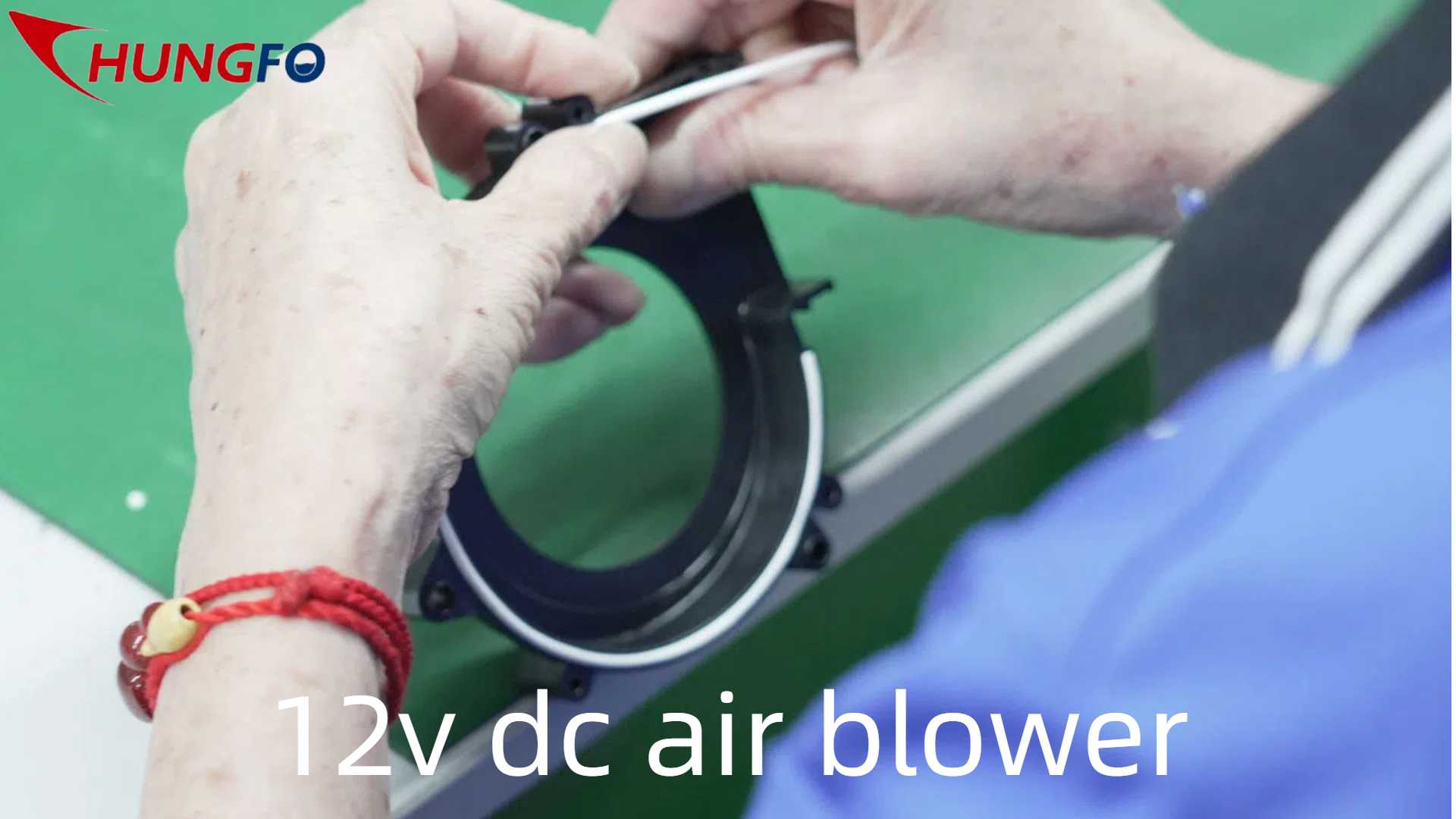
Dalam manajemen termal peralatan canggih modern, seperti lemari es pintar komersial atau peralatan rumah tangga terintegrasi yang rumit, hambatan udara yang sangat tinggi juga terjadi karena penyimpanan barang yang padat atau struktur mekanis yang tersusun rapat. Untuk mengatasi masalah suhu tinggi lokal dalam pengaturan ini, tekanan tinggi blower udara 12v DC Produk yang dirancang oleh China Chungfo Fan ini telah menunjukkan nilai praktis yang sangat besar. Dengan memanfaatkan struktur dinamis sentrifugal canggih, blower ini mencapai kinerja tekanan statis yang sangat baik dalam jejak fisik minimal, secara paksa mendorong udara dingin melalui saluran sempit dan kisi pendingin yang rapat untuk memastikan keseragaman suhu absolut di dalam peralatan berimpedansi tinggi.
Sementara itu, untuk skenario yang membutuhkan operasi terus-menerus dan intensitas tinggi 24/7 dengan mandat efisiensi energi yang ketat, sistem yang efisien kipas tanpa sikat DC 12V diproduksi Kipas Chungfo buatan China telah menjadi pilihan standar di seluruh industri. Teknologi motor tanpa sikat menghilangkan gesekan mekanis yang ditemukan pada sikat karbon tradisional, secara substansial menurunkan pemanasan sendiri dan interferensi elektromagnetik kipas. Saat menghadapi terminal pendingin khusus, node mikro-server, atau kabinet daya modular dengan impedansi sistem yang tinggi, kipas ini terus menerus memberikan aliran udara bertekanan tinggi dengan konsumsi daya minimal, dan masa pakainya biasanya mencapai puluhan ribu jam, secara drastis mengurangi biaya perawatan untuk pusat komputasi.
Seiring transisi komponen elektronik menuju miniaturisasi dan kepadatan yang lebih tinggi, keterbatasan ruang fisik telah menjadi kendala terbesar dalam desain termal. Di banyak wadah kompak, node komputasi tepi server mikro-blade, atau instrumen medis presisi, tidak ada ruang untuk kipas sentrifugal ukuran standar. Untuk mengatasi hal ini, kipas DC kecil yang dibuat dengan presisi oleh China Chungfo Fan menawarkan kompromi spasial yang sempurna. Terlepas dari dimensi fisiknya yang sangat kecil, bilah internalnya menjalani optimasi aerodinamis yang tepat, memungkinkan mereka untuk menghasilkan tekanan statis lokal yang melampaui kipas aksial dengan ukuran yang sama, mencapai evakuasi gas panas yang sangat efisien di dalam saluran udara yang padat dan berimpedansi tinggi.
Saat menghadapi impedansi sistem yang ekstrem, kipas harus menghasilkan daya keluaran yang cukup, yang terkait langsung dengan metrik kecepatan putarannya. Para insinyur di China Chungfo Fan telah mencocokkan RPM kipas DC dengan tekanan statis dan kurva aliran udara (kurva PQ) melalui integrasi desain yang mendalam, memastikan bahwa produk mempertahankan stabilitas struktural yang luar biasa dan tingkat kebisingan yang relatif rendah bahkan pada kecepatan putaran yang sangat tinggi. Desain RPM tinggi memberdayakan impeler dengan kemampuan akselerasi sentrifugal yang lebih kuat, memungkinkan kipas sentrifugal berukuran mikro dan standar untuk secara eksplosif mengatasi tekanan balik di bawah kondisi operasi ekstrem rak server dengan impedansi tinggi, mencapai pendinginan yang sangat akurat untuk chip pemrosesan inti.
1. Perbandingan Antara Kipas Sentrifugal dan Kipas Aksial dalam Pendinginan Rak Server
2. Untuk lebih memahami keunggulan absolut kipas sentrifugal di lingkungan dengan impedansi tinggi, kita dapat melakukan perbandingan komprehensif dengan kipas aksial tradisional menggunakan tabel di bawah ini:
|
Pertunjukan
|
Kipas Aksial Metrik
|
Kipas Sentrifugal / Blower
|
|
Arah Aliran Udara
|
Sejajar dengan sumbu rotasi (Garis lurus masuk dan keluar)
|
Saluran masuk aksial, saluran keluar radial tegak lurus (belokan 90 derajat)
|
|
Keluaran Tekanan Statis
|
Rendah, menurun tajam saat menghadapi impedansi tinggi
|
Sangat tinggi, unggul dalam mengatasi tekanan balik yang tinggi.
|
|
Aliran Udara Bebas
Volume
|
Sangat tinggi (Dalam kondisi tanpa halangan sama sekali)
|
Sedang (Lebih berfokus pada amplifikasi tekanan)
|
|
Kemampuan Anti-Mogok
|
Lemah, rentan terhadap hambatan aliran udara di bawah impedansi tinggi.
|
Sangat kuat, memiliki zona operasi kurva PQ yang lebih luas.
|
|
Aplikasi Utama
|
Rangka terbuka, ventilasi ruangan menyeluruh
|
Sangat kuat, memiliki zona operasi kurva PQ yang lebih luas.
|
|
Aplikasi Utama
|
Rangka terbuka, ventilasi ruangan menyeluruh, area dengan impedansi rendah.
|
Rak server padat, kabinet filter, saluran udara kompak
|
Melalui perbandingan ini, terlihat jelas bahwa meskipun kipas aksial memiliki volume aliran udara yang besar dalam kondisi "udara bebas", aliran udaranya mengalami penurunan drastis karena ketidakmampuannya mengatasi hambatan setelah ditempatkan di dalam rak server yang penuh sesak dengan kabel data dan sirip pendingin. Sebaliknya, kipas sentrifugal secara inheren dirancang untuk bekerja optimal di lingkungan yang terbatas; semakin tinggi impedansi sistem, semakin cemerlang karakteristik tekanan statisnya yang tinggi.
1. Tren Masa Depan Sistem Pendinginan Sentrifugal Cerdas
2. Ke depan, dengan terus berlanjutnya implementasi pusat data energi terbarukan dan klaster superkomputer AI berdensitas tinggi, sistem pendingin server berevolusi menjadi lebih ramah lingkungan, lebih cerdas, dan lebih efisien. Kipas sentrifugal masa depan tidak lagi berputar secara statis dengan kecepatan tinggi; sebaliknya, kipas tersebut akan terintegrasi secara mendalam ke dalam sistem Manajemen Infrastruktur Pusat Data (DCIM).
Dengan menanamkan lebih banyak sensor suhu dan tekanan fluida di dalam server, chip kontrol digital dapat menghitung impedansi sistem dinamis dari rak secara real-time. Kipas sentrifugal akan memanfaatkan teknik penyempurnaan PWM tingkat lanjut untuk menyesuaikan kecepatannya secara dinamis dan akurat berdasarkan fluktuasi impedansi dan beban panas secara real-time. Pada saat yang sama, material yang digunakan untuk impeller dan housing terus mengalami inovasi. Mengadopsi material komposit yang lebih ringan dan berkekuatan tinggi tidak hanya akan meningkatkan kecepatan putaran dan mengurangi kebisingan lebih lanjut, tetapi juga secara efektif meminimalkan konsumsi daya kipas itu sendiri, membantu pusat data global benar-benar mencapai target PUE (Power Usage Effectiveness) rendah untuk pembangunan hijau dan berkelanjutan.