
Kategori
Blog baru.
Bagaimana Cara Memilih Kipas untuk Pendinginan Peralatan Luar Ruangan?
January 29 , 2026Seiring sistem industri terus berkembang menuju aplikasi otomatis cerdas dan luar ruangan, semakin banyak perangkat yang dituntut untuk beroperasi terus menerus di lingkungan luar ruangan. Dibandingkan dengan peralatan dalam ruangan, sistem luar ruangan tidak hanya harus mengelola pembangkitan panas internal tetapi juga tahan terhadap tantangan lingkungan seperti fluktuasi suhu, hujan, debu, kelembapan, dan sinar matahari langsung. Dalam kondisi ini, desain sistem pendingin yang tepat menjadi sangat penting, dan memilih sistem yang tepat sangatlah krusial. kipas pendingin merupakan faktor kunci dalam memastikan peralatan luar ruangan yang andal. operasi ment.
Tantangan utama pendinginan peralatan luar ruangan
Lingkungan luar ruangan pada dasarnya bervariasi dan seringkali tidak dapat diprediksi. Suhu sekitar dapat berubah secara signifikan sepanjang hari dan antar musim, sementara debu, kelembapan, dan paparan cuaca semakin memperumit manajemen termal. Ketika peralatan luar ruangan beroperasi di bawah suhu sekitar yang tinggi atau radiasi matahari langsung, pembuangan panas yang tidak memadai dapat menyebabkan peningkatan suhu internal. Hal ini dapat mengurangi keandalan kinerja dan memperpendek umur komponen. Akibatnya, pendinginan untuk peralatan luar ruangan harus didekati sebagai pertimbangan tingkat sistem, bukan sekadar solusi aliran udara sederhana.
Menentukan kebutuhan aliran udara dan tekanan.
Langkah pertama dalam memilih kipas pendingin aksial Untuk peralatan luar ruangan, hal terpenting adalah memahami total panas yang dihasilkan dan kisaran suhu operasi yang dapat diterima dari sistem tersebut. Dengan menganalisis distribusi sumber panas di dalam wadah, para insinyur dapat memperkirakan aliran udara yang dibutuhkan. Untuk peralatan dengan struktur yang relatif terbuka dan jalur aliran udara yang pendek, volume aliran udara memainkan peran dominan. Dalam wadah tertutup atau sistem dengan saluran udara yang panjang atau kompleks, kemampuan tekanan statis menjadi sama pentingnya. Mencapai keseimbangan yang tepat antara aliran udara dan tekanan memastikan bahwa udara dingin mencapai komponen internal dan udara panas dikeluarkan secara efektif.
Dampak kondisi luar ruangan terhadap kinerja kipas.
Lingkungan luar ruangan memberikan tuntutan yang lebih tinggi pada kipas pendingin dibandingkan dengan aplikasi dalam ruangan. Suhu lingkungan yang tinggi dapat mempercepat penuaan motor, sementara kelembapan dan hujan meningkatkan risiko masalah listrik dan mekanis. Di lingkungan berdebu, partikel dapat masuk ke dalam kipas dan menyebabkan keausan bantalan atau peningkatan hambatan. Oleh karena itu, kipas yang dirancang untuk pendinginan peralatan luar ruangan harus memiliki struktur pelindung yang sesuai untuk mempertahankan kinerja yang stabil dalam kondisi lingkungan yang keras.
Mencocokkan jenis kipas dengan skenario aplikasi
Berbagai jenis kipas menawarkan keunggulan yang berbeda tergantung pada kebutuhan pendinginan. Kipas aksial Kipas aliran silang cocok untuk aplikasi yang membutuhkan aliran udara tinggi dan jalur ventilasi yang mudah, dan umumnya digunakan pada kabinet dan penutup luar ruangan. Kipas sentrifugal memberikan kinerja yang lebih stabil ketika jalur aliran udara dengan resistansi tinggi terlibat dan sangat cocok untuk tata letak internal yang kompleks. Kipas aliran silang menghasilkan aliran udara linier yang seragam dan ideal untuk peralatan luar ruangan di mana distribusi suhu yang merata di seluruh komponen diperlukan. Memilih jenis kipas yang tepat berdasarkan struktur peralatan dan tujuan pendinginan sangat penting untuk pendinginan luar ruangan yang efektif.
Mengevaluasi keandalan operasi berkelanjutan
Sebagian besar peralatan luar ruangan dirancang untuk pengoperasian jangka panjang atau terus menerus, yang menuntut keandalan kipas pendingin yang tinggi. Kipas harus mempertahankan kecepatan dan aliran udara yang konsisten dalam jangka waktu lama sambil menghindari penurunan kinerja yang disebabkan oleh keausan bantalan atau panas berlebih pada motor. Saat memilih kipas untuk pendinginan peralatan luar ruangan, penting untuk mempertimbangkan apakah desainnya mendukung pengoperasian terus menerus, termasuk kelas isolasi motor, daya tahan bantalan, dan desain termal secara keseluruhan. Faktor-faktor ini secara langsung memengaruhi masa pakai di lingkungan luar ruangan.
Pertimbangan instalasi dan integrasi sistem
Efektivitas kipas pendingin tidak hanya bergantung pada spesifikasinya, tetapi juga pada bagaimana kipas tersebut diintegrasikan ke dalam sistem. Jalur aliran udara yang tepat mencegah sirkulasi ulang udara panas dan meningkatkan efisiensi pendinginan. Pada peralatan luar ruangan, kipas sering digunakan bersama dengan penutup pelindung, filter, atau pengarah udara. Mempertimbangkan elemen-elemen ini selama fase desain membantu mencapai perlindungan lingkungan dan kinerja termal yang efektif.
Pemeliharaan dan manajemen operasional jangka panjang
Meskipun kipas angin dipilih dengan tepat, perawatan rutin tetap penting untuk sistem pendingin luar ruangan. Inspeksi berkala terhadap pengoperasian kipas, pembersihan debu yang menumpuk, dan pemantauan perubahan kebisingan atau getaran dapat membantu mengidentifikasi potensi masalah sejak dini. Strategi perawatan yang direncanakan dengan baik memperpanjang masa pakai kipas dan sistem pendingin secara keseluruhan, memastikan pengoperasian peralatan luar ruangan yang stabil dari waktu ke waktu.
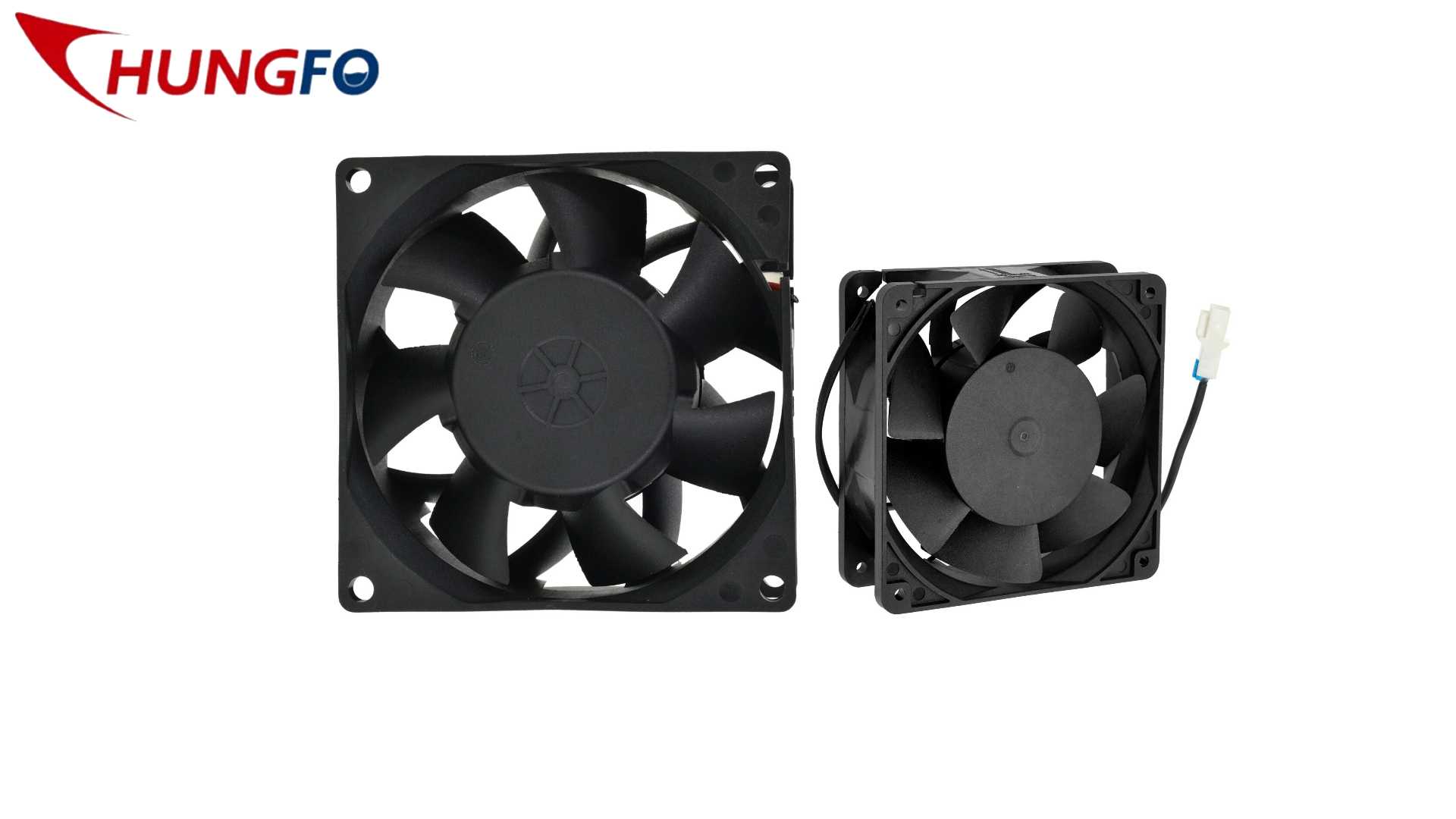
Singkatnya, memilih kipas untuk pendinginan peralatan luar ruangan memerlukan evaluasi komprehensif terhadap kebutuhan termal, kondisi lingkungan, jenis kipas, kemampuan operasi berkelanjutan, dan integrasi sistem. Hanya dengan memahami konteks aplikasi spesifik, solusi pendinginan yang andal dan efisien dapat dicapai. Produk yang dikembangkan oleh China Chungfo Fan dirancang dengan mempertimbangkan kebutuhan aplikasi luar ruangan, sehingga memungkinkan kinerja pendinginan yang andal di berbagai lingkungan operasi.